







Search Results for: fine particle sedimentation

Is It Normal for Black Sediment to Appear at the Bottom of an Espresso Shot? A Full Analysis of the Causes of Fine Particles and How to Fix Them
Many people notice a layer of fine black powder at the bottom of the cup after finishing a latte or espresso, and sometimes dark particles float at the bottom of an iced latte as well. Is this actually normal? Does it affect flavor or health? In fact, this sediment consists of ultra-fine particles that pass through the filter basket holes during espresso extraction. A trace amount is normal, but if a large amount of grounds is visible to the naked eye, it means something has gone wrong in the extraction process. This article starts with where these fine particles come from, analyzes possible factors such as grinding, the portafilter basket, and barista technique, and offers practical solutions like adjusting the grind setting, switching baskets, and adding a paper filter, to help you enjoy a cleaner cup of coffee. [more…]
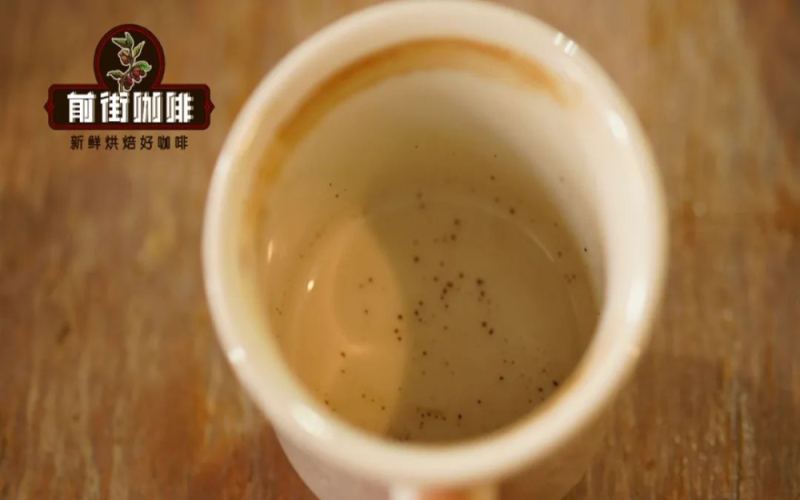
Why Does Fine Sediment Appear at the Bottom of an Espresso Cup? Analyzing the Causes and Practical Solutions for Improvement
Many people, after drinking an Americano or espresso, notice some fine black particles settling at the bottom of the cup—are these actually coffee grounds? And why are they rarely seen in iced drinks? Drawing on Front Street Coffee's practical experience in production, this article explains the sources of very fine particles in espresso extraction, including grinding particle size, the mesh of the portafilter basket, and cleaning of the group head, and offers four actionable improvement measures. The article also records the results of Front Street's test of placing a circular filter paper in the portafilter basket—although it effectively intercepts fine particles, the extraction flow rate and flavor change, requiring readjustment of the grind and dose parameters. [more…]
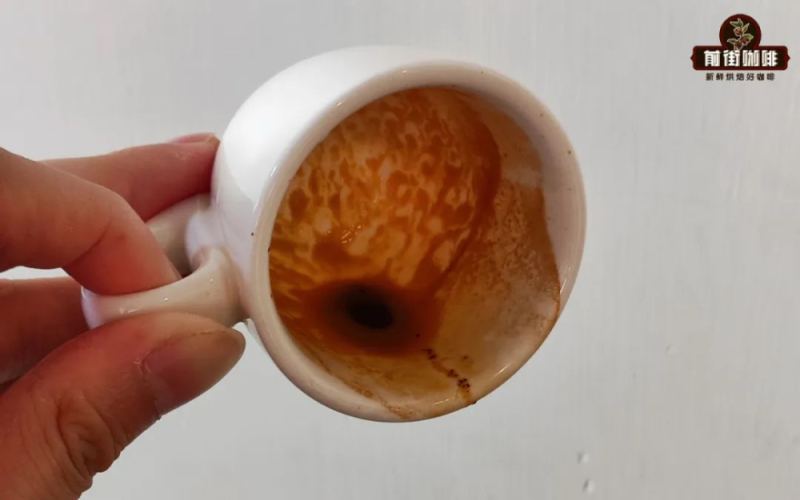
Is it normal for black sediment to appear at the bottom of an espresso cup? Explaining why fines pass through the filter basket
Many coffee enthusiasts, while enjoying an espresso, notice black particles settling at the bottom of the cup and worry whether this means something went wrong with the extraction. In fact, in most cases this phenomenon is perfectly normal. These sediments are extremely fine coffee grounds that have passed through the holes of the portafilter basket, and they usually sink to the bottom gradually after the coffee has rested for a few minutes. This article will explain in detail the principle behind how these fines appear, their relationship with tiger-striped crema, and several factors that may cause a sudden increase in sediment, including grinding too fine and deformation of the basket's mesh. At the same time, Front Street Coffee will also use examples to help you determine when you need to adjust your grinding parameters, so you can face that layer of fine grounds at the bottom of your cup with greater ease. [more…]
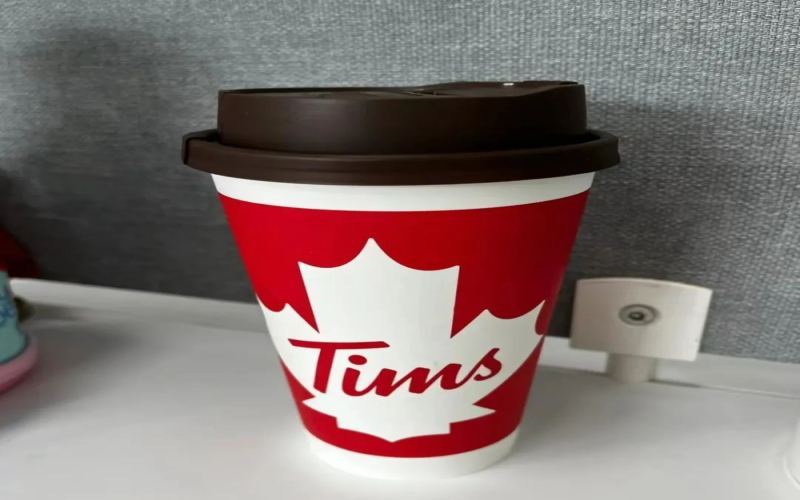
Tims Fresh Brew Coffee hit by customer complaints of excessive coffee grounds at the bottom of the cup; customer service says sediment is normal, sparking heated discussion.
Chain coffee brands each have their own memorable selling points, and Tims China (Tims天好咖啡) has gained popularity with its bagels and Fresh Brew coffee. Fresh Brew coffee is similar to drip pour-over, with less oil and a refreshing taste, favored by many enthusiasts. But recently, some netizens reported that the Fresh Brew coffee they bought at Tims had a large amount of coffee grounds left at the bottom of the cup when they finished drinking it, and customer service responded that "sediment is a normal phenomenon," sparking controversy. Similar complaints are not the first of their kind; as early as last November, consumers had already posted photos complaining about it. A small amount of fine powder sediment in coffee is common, but the amount of grounds visible to the naked eye has already affected the drinking experience. Is it a staff operational error or an equipment malfunction? Will Tims take measures to standardize its products? This article takes you through the whole story. [more…]
How to Reduce Fine Sediment and Improve Cleanliness in French Press Coffee: Complete Brewing Parameters and Step-by-Step Guide
The French press has always been known for being simple to use and requiring no paper filter. Its metal mesh filter retains the coffee oils, giving the brew a fuller, richer flavor. But it also often suffers from fine sediment mixing into the cup and affecting the mouthfeel. In fact, as long as you get the grind size, coffee-to-water ratio, steep time, and pouring timing right, and pair it with a second pass through a paper filter, you can make French press coffee approach the clarity of a pour-over. This article organizes the complete key points of French press brewing, from bean selection and grinding to brewing, and uses Front Street Colombia Huila coffee beans as an example to explain why medium-dark roasted beans are better suited to immersion extraction, and why light-roasted Ethiopian beans are not recommended for the French press. [more…]
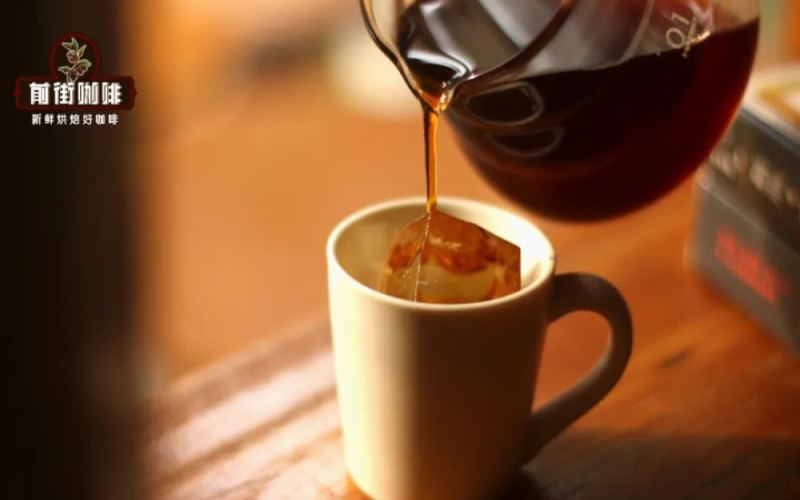
The Complete Guide to Cold Brew Coffee: From Bean Selection to Filtration—Why Is Your Cold Brew Always Cloudy with Sediment?
Cold brew coffee, with its refreshing and smooth taste brought about by low-temperature extraction, has become increasingly popular among coffee enthusiasts in recent years. All you need is coffee grounds, cold water, an airtight container, and a refrigerator to make it easily at home. However, many people find in practice that their homemade cold brew is never as rich and sweet as what they get at coffee shops, and sometimes it even turns out cloudy with sediment. Drawing on Front Street's practical experience, this article systematically sorts through the bean selection approach, steeping time, coffee bean freshness, stirring technique, and filtration key points for cold brew coffee, helping you identify where the problem lies and make a cup of cold brew coffee with full flavor and a clear texture. [more…]
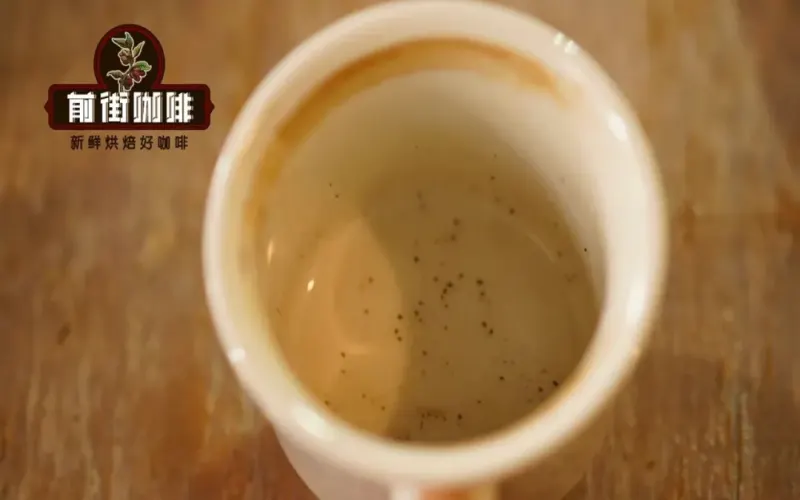
Is it normal for black fine particles to appear in espresso? Will the portafilter basket deform due to pressure? How small are the finest particle sizes exactly?
When extracting espresso, you may occasionally notice a layer of fine black sediment at the bottom of the cup, and many people worry that this indicates an equipment malfunction or spoiled coffee. In reality, these black particles are simply coffee fines—extremely small particles that can easily pass through the holes in the portafilter basket and mix into the coffee liquid under high pressure. At first they hide within the crema, and only as the bubbles burst do they sink to the bottom of the cup and become visible to us. Moka pots also use pressure extraction, so a similar situation can occur. Although coffee grounds are a woody fiber, the extremely fine particle size and tiny intake amount pose no health risk, so you can drink with complete peace of mind. This article explores the origins of fines, whether the portafilter basket will deform, and fine particle size, helping coffee enthusiasts better understand these common phenomena. [more…]
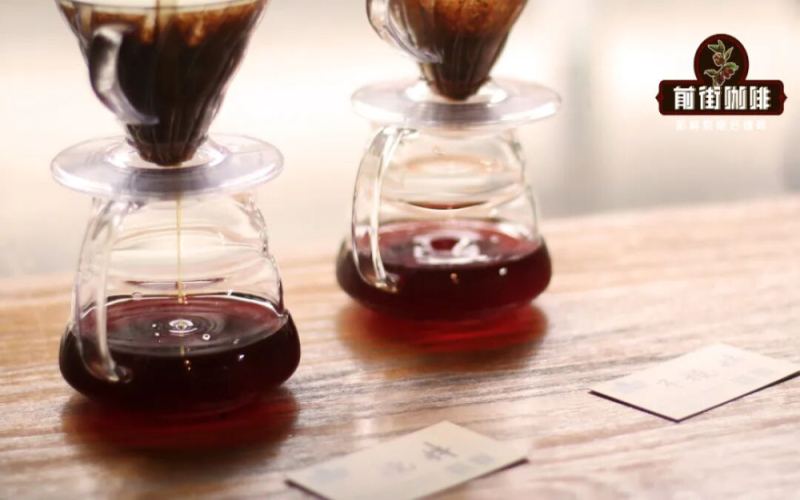
Where Do Cold Brew Coffee Oil and Fine Particle Residue Come From? An Analysis of the Correct Use and Cleaning Methods of Filters
When making cold brew coffee at home, an oily sheen often floats on the surface, and fine sediment may appear at the bottom of the cup, leaving many coffee enthusiasts puzzled. What exactly are these floating substances? Is the coffee spoiled, or is the equipment unclean? In fact, this is closely related to the slow release of water-soluble fats from coffee beans at low temperatures. This article, drawing on Front Street Coffee's practical experience, analyzes the causes of cold brew oils, explains how the differences in mesh sizes of various filtering devices affect coffee flavor, and shares how to use secondary filtration with paper filters and refrigeration settling to make cold brew's juicy feel fuller and its acidity clearer. At the same time, regular deep cleaning of equipment is equally crucial to avoid the accumulation of condensed oil residue that produces a rancid odor. [more…]
A Complete Guide to French Press Coffee-to-Water Ratios and Grind Size: Why It's Called a Tea Maker
The French press, with its full-immersion design and metal filter, can brew coffee that is rich in oils and full-bodied. But if you want to drink a good cup of coffee, you need to get several variables right: grind size, coffee-to-water ratio, water temperature, and steeping time. This article takes a practical approach and breaks down the key parameters of French press brewing one by one: how coarse the coffee grounds should be, how to adjust the 1:15 coffee-to-water ratio, why the water temperature should be slightly higher than for pour-over, and how to determine the four-minute steeping time, along with recommendations for coffee beans suitable for the French press and buying advice for Front Street Coffee. Whether you are a beginner who has just gotten into French press brewing or an enthusiast looking to refine your skills, you can find actionable brewing ideas here. [more…]
French Press Brewing Guide: Suitable Bean Types, Grind Size, and Key Operating Points for the Starbucks French Press
The French press, with its simple operation and rich, full-bodied flavor, has become the daily go-to for many coffee lovers. It uses full-immersion extraction, and its metal filter allows the coffee oils to be retained, delivering a rich, substantial taste experience. However, to brew a good pot of French press coffee, every step—from bean selection to grind size, water temperature control, and steeping time—requires attention. This article will systematically outline the types of coffee beans suited to the French press, explain the specific standards for coarse grinding and the coffee-to-water ratio in detail, and provide a complete brewing process. It will also offer reference on how to use a Starbucks French press, helping you easily recreate a cup of outstanding immersion-brewed coffee at home. [more…]
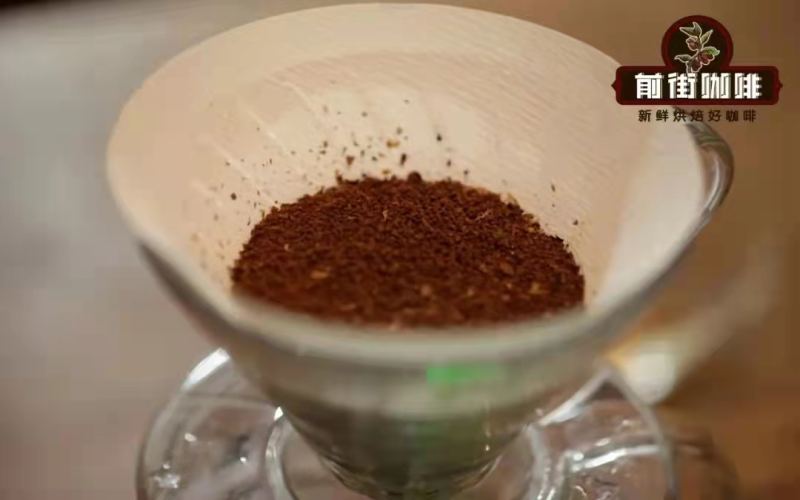
How to determine the grind size (coarseness/fineness) for pour-over coffee beans? How do you adjust the settings on a coffee grinder?
Among the parameters of pour-over coffee, Front Street believes that grind size is the hardest to master. It doesn't have intuitive data like water temperature or coffee-to-water ratio, nor can it be compensated for through practice like technique. As a result, many beginners are stumped by grind size. So Front Street will teach you how to get grind size right. First, I [more…]
Pour-Over Coffee Beginner's Guide: A Complete Analysis from Equipment Comparison to Filter Paper Selection and Boiling Water Brewing
Pour-over coffee has become the top choice for many coffee enthusiasts thanks to its advantages of being clean, free of off-flavors, clear, simple, and safe. This article starts with a horizontal comparison of the French press, the Clever Cup, the AeroPress, and the siphon pot, then sorts out the three truly indispensable conditions for pour-over—coffee grounds, filter paper, and hot water—and takes a deep dive into how the filter paper material affects flavor, debunking the common misconception that "boiling water can't be used to brew coffee." At the end, it includes Front Street's recommended Huakui brewing parameters and flavor description, making it suitable reading for coffee enthusiasts who want to systematically understand the logic of pour-over. [more…]
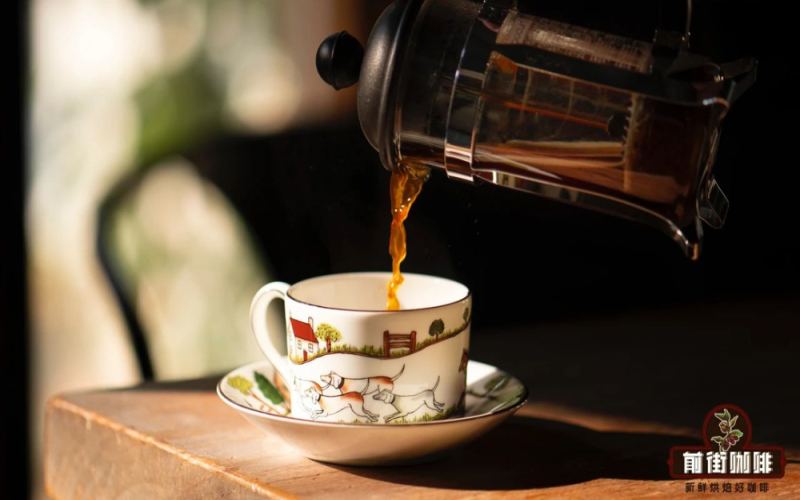
How do you use a French press correctly? A complete analysis from Front Street Coffee, from extraction principles to coffee bean selection
The French press, with its simple operation and easy-to-master nature, has become the go-to device for many pour-over beginners. It was born in France around 1850, consisting of a heat-resistant glass carafe and a metal plunger with a mesh filter. It was originally used for brewing tea, but later coffee enthusiasts discovered it could produce a rich, full-bodied cup. The French press uses immersion extraction, and the core factors affecting flavor are only grind size, water temperature, and steeping time, with minimal human interference, making it the best way to showcase the true character of coffee beans. In this article, Front Street Coffee will provide a complete guide to the correct use of a French press, from extraction principles and flavor characteristics to practical operation, and answer what coffee beans pair best with a French press, helping you easily make a rich, delicious cup of coffee. [more…]
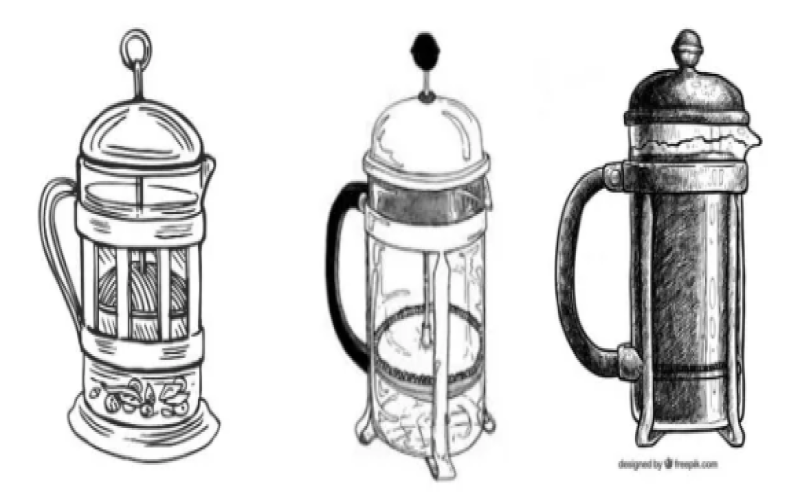
French Press Tutorial | How Coffee Newbies Can Brew Coffee with a French Press: What Coffee-to-Water Ratio Is Suitable for French Press, and How Long Should the Coffee Grounds Steep?
What kind of coffee can you brew with a French press? The French press is a full-immersion brewing device with a metal filter. This gives the brewed coffee a distinctive trait: because the water and coffee grounds steep together directly, the resulting coffee retains more oils and therefore has a heavier, fuller mouthfeel. For those who don't like [more…]
Six Core Factors That Determine Coffee Quality: A Complete Guide from Equipment Cleaning to Water Quality Control
Behind an outstanding cup of coffee, there are often many easily overlooked details. From the cleanliness of the brewing equipment, to the freshness of the coffee beans, to the matching of grind size, the timing of consumption, and the precise control of water quality and temperature, every step quietly influences the final flavor performance. Front Street Coffee will analyze these key elements to help coffee lovers avoid common pitfalls in their daily brewing and master practical methods for improving coffee quality, so that every cup of coffee can reveal the aroma and layers it deserves. [more…]
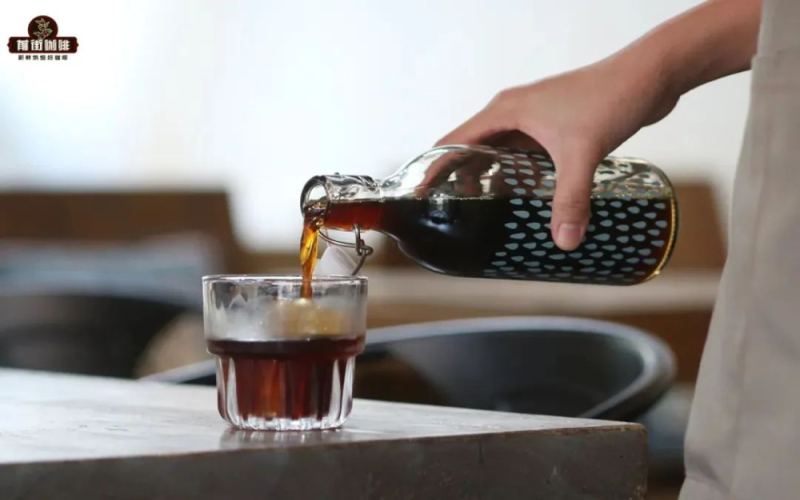
Where Does the Oil Film on Cold Brew Coffee Come From? A Full Breakdown of Low-Temperature Extraction Principles and Filtration Techniques
Cold brew coffee, with its advantages of simple operation and low cost, has become the go-to choice at home for many coffee enthusiasts. All you need is an airtight container and a low-temperature environment, and after several hours of steeping, you get a full-flavored iced coffee drink. However, many people discover during the process that a layer of oil often floats on the surface of the cold brew liquid, and can't help but wonder whether it has spoiled or the equipment is unclean. Where exactly does this layer of oil come from? And how should it be handled to achieve a clearer taste? This article will provide a detailed explanation of the extraction principles of cold brew, the phenomenon of oil condensation, the selection of filtration equipment, and ways to optimize the drinking experience, while also recommending several coffee beans suitable for making cold brew, helping you easily make a clean, translucent, and outstandingly flavorful cup of cold brew coffee at home. [more…]
French Press Brewing Guide: Detailed Explanation of Coffee-to-Water Ratio, Grind Size, and Steeping Time, Plus Recommended Coffee Beans
The French press, with its full-immersion extraction and metal mesh filter, can produce coffee with richer oils and a fuller body. But to consistently brew a good cup, several variables—grind size, coffee-to-water ratio, water temperature, and steeping time—need to be taken seriously. This article breaks down the key points of French press brewing from a practical standpoint, explaining why a coarse grind is more reliable, how to start with a 1:15 coffee-to-water ratio, how to set the water temperature, and the specific steps for a 4-minute steeping rhythm. It also addresses the extraction characteristics of the French press by outlining suitable roast profiles and providing specific bean recommendations such as Front Street Coffee Strawberry Candy, Mozart, Sidra, Queen's Estate, Golden Mandheling, and Huilan, helping coffee lovers find the flavors they enjoy more quickly. [more…]
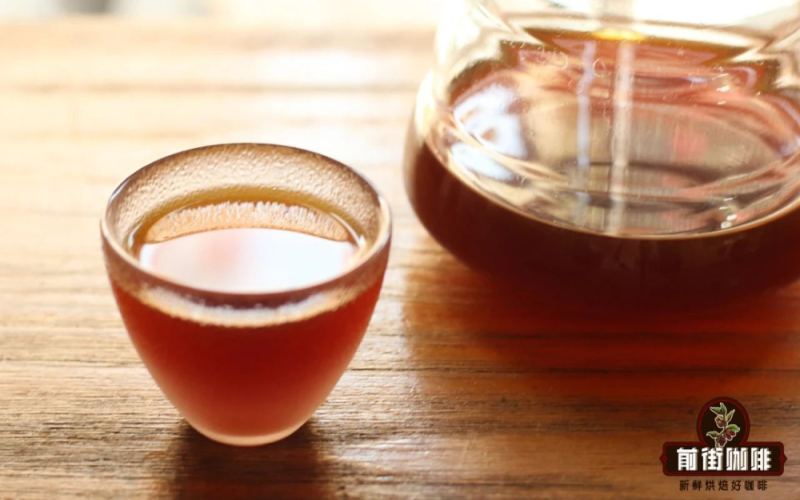
Coffee Beans or Ground Coffee? Front Street Explains the Brewing Methods and Storage Tips for Freshly Ground Coffee
Enjoying a good cup of coffee at home involves careful consideration at every step, from selecting beans and grinding to brewing equipment. In this article, Front Street Coffee answers questions for those who are new to coffee: How should you brew coffee after grinding the beans? Why is buying pre-ground coffee not a wise choice? We will outline five common methods for brewing ground coffee—decoction, pressure, gravity, infusion, and cold brew—and share practical tips on bean resting, storage, and using drip bag coffee. Whether you prefer the rich body of a French press or the layered complexity of pour-over, you will find an option that suits you here. [more…]
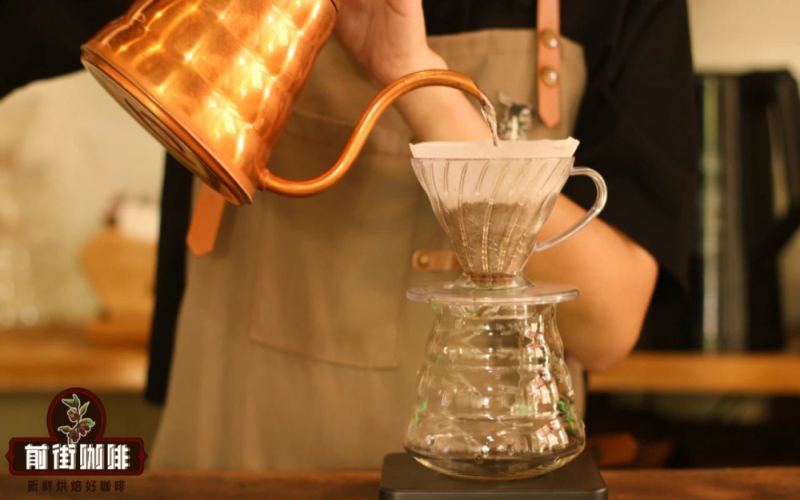
How Should You Handle Ground Coffee? A Detailed Guide to Five Brewing Methods and Key Tips for Using Drip Coffee Bags
Friends who are just getting into coffee often encounter a question: once coffee beans are ground into powder, should they be boiled or brewed? In fact, there is no single answer to this question. The key depends on the characteristics of the beans and what equipment you have on hand. In this article, Front Street Coffee will systematically sort out the five main extraction methods for freshly ground coffee powder - decoction, pressure, gravity, immersion filtration, and cold brew. It will also discuss notes on bean resting and storage, as well as the frequently asked question of whether drip bag coffee can be brewed repeatedly. Whether you are a complete beginner or an enthusiast who wants to further understand the differences between various brewing methods, you can find practical references here. [more…]
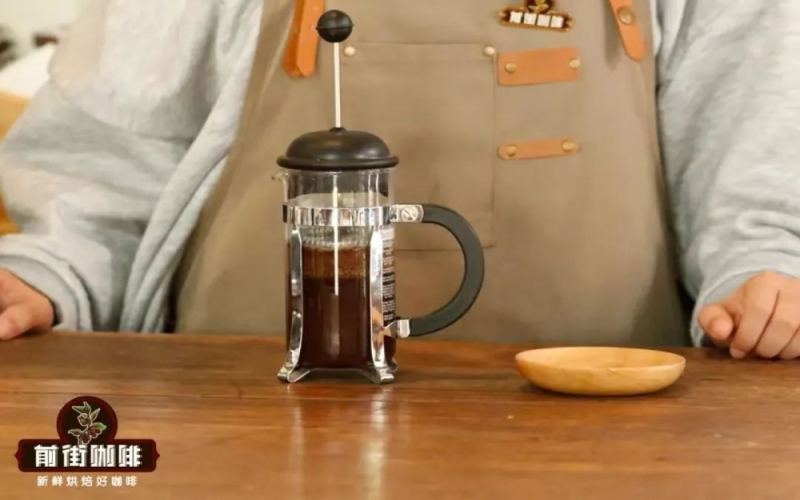
A Practical French Press Brewing Tutorial: Grind Size, Water Temperature, Time, and Single-Origin Coffee Bean Selection Tips
The French press, with its simple operation and ability to deliver consistent results without complex techniques, has become the daily go-to for many coffee enthusiasts. This article begins with the historical origins of the French press, explains why it is better suited to medium-dark roasted single-origin beans, and breaks down key steps in detail, including preheating, grinding, coffee-to-water ratio, water temperature, steeping time, and plunger operation, while also offering essential cleaning and maintenance tips. The article also recommends Front Street PWN Golden Mandheling as a French press-friendly bean, helping you easily brew a full-bodied, distinctly sweet immersion coffee at home. [more…]